


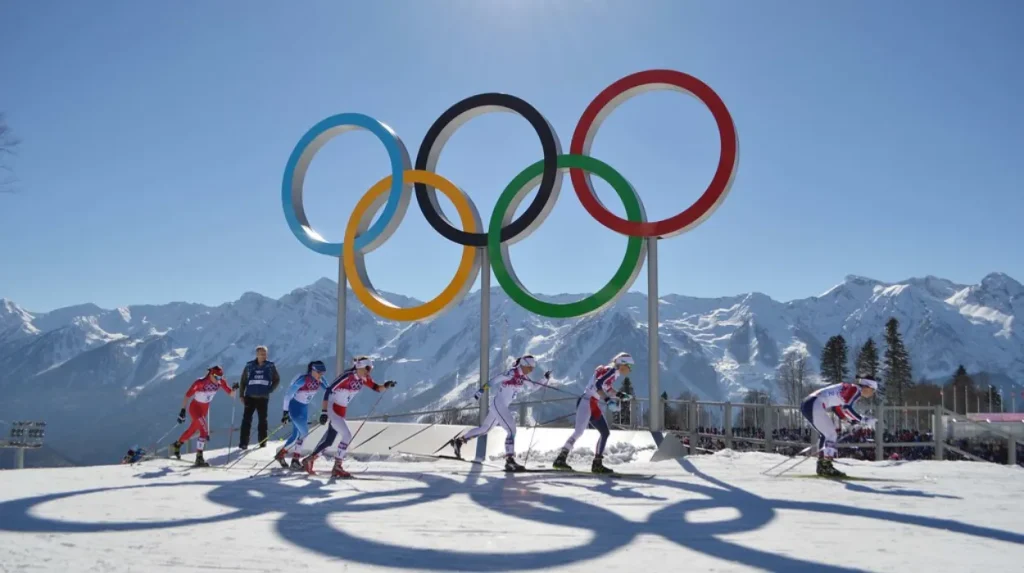
After a weekend of sport that reminded us age is increasingly irrelevant at the sharp end of elite competition, thanks to performances from Carlos Alcaraz and Luke Littler, attention now turns to the next global spectacle. The Winter Olympics return this week, sprawling across northern Italy in what promises to be one of the most geographically ambitious Games in modern history.
The Winter Olympics Milano Cortina 2026 run from 6 to 22 February, with events staged across Lombardy and the north east of Italy. Milan handles the ceremony and urban events, Cortina d’Ampezzo hosts alpine disciplines, while ice, sliding and endurance sports stretch deep into the Italian Alps. For viewers, the question is less about what to watch and more about how to keep track of it all.
This guide focuses on where and how to watch the Games in the UK, Ireland, the USA, Canada, Spain, France and Germany, and what sports are likely to define the fortnight.
A Winter Olympics built for modern viewing
These Games arrive at a curious moment. Linear TV still matters for live sport, but streaming has quietly become the default for anyone trying to follow multiple disciplines across time zones. Milano Cortina 2026 embraces that reality. Broadcasters are promising wall to wall coverage, live and on demand, with digital platforms doing the heavy lifting.
The opening ceremony takes place on 6 February in Milan, with competition already underway in several disciplines earlier in the week. Events run from early mornings through late evenings for European viewers, while North American audiences will lean heavily on catch up and highlights.


Where to watch the Winter Olympics by country
Coverage varies by territory, but in each case the emphasis is on comprehensive access rather than a single flagship channel.
United Kingdom
In the UK, the BBC remains the primary home of the Olympics. Coverage will be split between BBC One, BBC Two and extensive online streams via BBC iPlayer, with Discovery Plus also carrying full rights coverage.
Expect the BBC to prioritise British medal prospects, live finals and evening highlights, while iPlayer becomes essential for niche sports and daytime sessions.
Ireland
Irish viewers can watch via RTÉ Player, with additional coverage available through Discovery Plus. RTÉ traditionally focuses on major finals and Irish athletes, while streaming fills the gaps.
United States
NBC holds exclusive US rights, with coverage spread across NBC, USA Network and CNBC. The real centre of gravity, however, is Peacock, NBC’s streaming service, which carries live streams of every event alongside curated highlights and replays.
For American audiences, Peacock’s Olympics hub is likely the most practical way to follow specific sports without navigating broadcast schedules.
Canada
CBC provides comprehensive free coverage in Canada through CBC Gem, alongside its traditional TV channels. CBC’s digital coverage is typically strong, offering multiple simultaneous streams and full replays.
Spain
Spanish coverage is led by RTVE, with live broadcasts on its television channels and extensive online streaming. Eurosport and Discovery Plus also offer full multi sport access for those wanting uninterrupted coverage.
France
France Télévisions carries free to air coverage, supported by Discovery Plus and Eurosport for deeper access. Expect a strong focus on alpine skiing, biathlon and ice sports.
Germany
German viewers can watch through ARD and ZDF, with live streams available via ARD Mediathek and ZDF’s digital platforms. Eurosport again provides full rights coverage for those wanting every session.

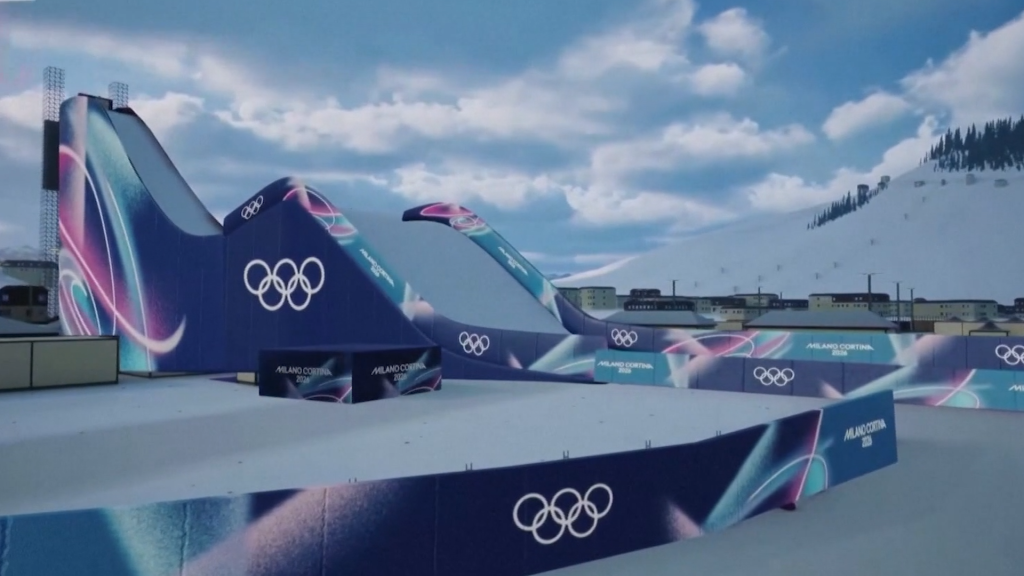
Sports that will define Milano Cortina 2026
The Winter Olympics can feel overwhelming, but a handful of sports tend to shape the narrative.
Alpine skiing and snowboarding
These are the visual anchors of the Games. Events run almost daily from the opening weekend, with downhill, slalom and giant slalom delivering consistent drama. Snowboarding’s big air and halfpipe competitions often produce breakout stars and viral moments.
Ice hockey
Ice hockey remains the emotional heartbeat of the Winter Olympics, particularly the men’s and women’s medal rounds. With packed schedules and knockout tension, it is one of the easiest sports for casual viewers to follow.
Figure skating
Figure skating offers a different kind of spectacle. The judging debates, technical difficulty and artistry combine to make it one of the most talked about events, especially during the individual finals.
Biathlon and cross country skiing
Often overlooked, biathlon in particular has become one of the most gripping winter sports to watch. The blend of endurance, precision and sudden momentum swings makes it ideal for live viewing.
Sliding sports
Bobsleigh, luge and skeleton deliver pure speed and risk. Medal events tend to cluster in the second week, often producing tight finishes measured in hundredths of a second.
New and evolving events
Ski mountaineering makes its Olympic debut in 2026, reflecting the Games’ gradual shift towards endurance and hybrid disciplines. It is unlikely to dominate headlines but could become a quiet highlight for viewers looking for something different.


Time zones and viewing habits
Italy’s central European time zone is friendly for UK and European audiences, but less so for North America. This is where streaming platforms matter most. Full event replays, condensed highlights and curated daily recaps make it possible to follow the Games without sacrificing sleep.
The sheer volume of sport means most viewers will dip in and out rather than attempt comprehensive coverage. The key is knowing where to find what you want when you want it.
Streaming, travel and digital access
One of the realities of modern sport consumption is mobility. People travel, work irregular hours, or simply prefer watching on tablets and phones rather than a living room television.
Using a trusted VPN can help maintain secure, consistent access to streaming services when moving between countries or networks. For LibertyShield users, this often means being able to use familiar platforms across devices without the usual friction, particularly when travelling within Europe or between North America and the EU.
The emphasis here is reliability and privacy rather than workarounds. With so many official broadcasters offering legitimate online access, the challenge is less about availability and more about staying connected without compromising security.


Why Milano Cortina 2026 matters
These Games arrive at a time when sport is increasingly fragmented across platforms, subscriptions and regions. The Olympics remain one of the few moments where global audiences briefly realign, watching the same events at the same time, even if through different screens.
There is also something quietly reassuring about the mix of old and new. Traditional winter sports sit alongside emerging disciplines, while young athletes continue to challenge assumptions about experience and age, a theme underscored by recent performances across tennis and darts.
Milano Cortina 2026 is unlikely to reinvent the Olympics, but it does reflect how the Games are evolving. More distributed venues, more digital viewing, and a growing expectation that audiences will shape their own experience rather than follow a fixed broadcast schedule.
For viewers, that flexibility is the real win.