


From today, UK users attempting to access Pornhub are met with a harder stop. The world’s most recognisable adult site has begun restricting access for anyone who has not previously verified their age, marking a new phase in the UK’s post Online Safety Act landscape.
This move was signposted last week, but its arrival still raises awkward questions. Not just about pornography, but about regulation, enforcement and the role of technology in policing behaviour online.
Pornhub’s parent company, Aylo, says the change is a direct response to the UK’s age verification rules, which came into force in mid 2025. Critics say it is something else entirely.
Why Pornhub is pulling back in the UK
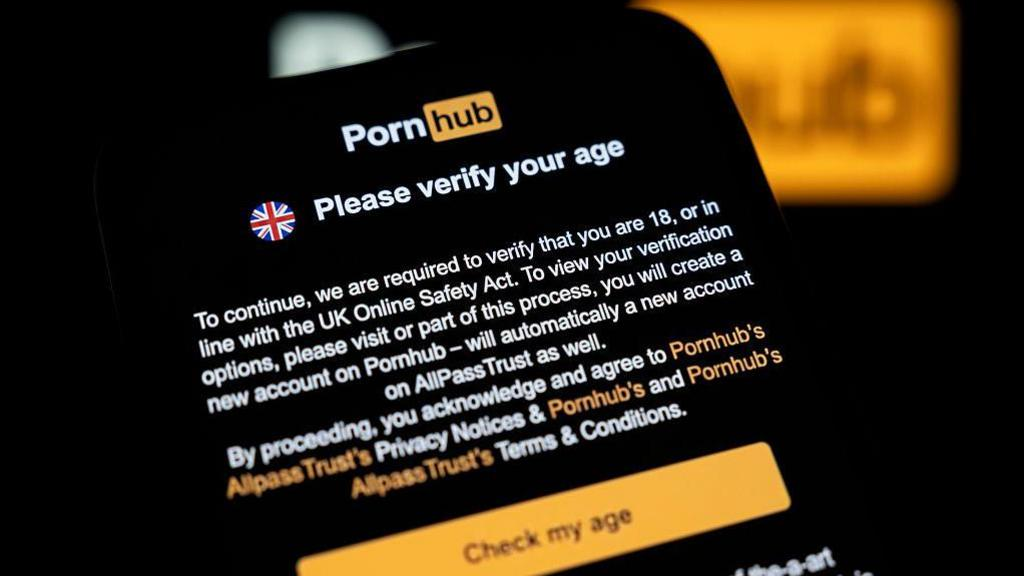
Under the Online Safety Act, platforms hosting explicit content must take steps to ensure users are over 18. For large sites like Pornhub, that has meant introducing age checks that go well beyond a tick box.
From today, users who did not already hold an account before the deadline can no longer access pornographic videos on the UK version of the site. Some content remains visible, but viewing anything explicit now requires logging in, something only previously registered users can do.
Pornhub argues that these rules have driven users away from regulated platforms and towards smaller sites that do not follow the law, potentially increasing exposure to illegal or harmful material. Aylo has previously said that UK traffic fell sharply after age checks were introduced, although Ofcom’s own data suggests the drop was far more modest.
The company insists this is not a bid to boost registrations. Instead, it frames the move as a protest against what it sees as flawed enforcement.
Not everyone is convinced.
A political gesture rather than a technical one
Legal experts have questioned why Pornhub chose a delayed, highly publicised restriction rather than quietly tightening access overnight. The timing, and the messaging around it, suggest a deliberate attempt to draw attention.
Similar tactics have been used in the United States, where Pornhub has blocked access entirely in more than 20 states following the introduction of age verification laws. In those cases, the aim appeared to be political pressure rather than compliance.
From today’s perspective, Pornhub is still partially accessible in the UK, meaning it remains subject to illegal content rules. This weakens the argument that the move is about regulatory impossibility. Instead, it looks more like a way of highlighting the cost and complexity of enforcement, while shifting some responsibility back onto lawmakers.
The VPN question no one can avoid
Any discussion of online age verification quickly runs into the same obstacle, VPNs.
Ofcom data shows VPN usage in the UK rose sharply after age checks were introduced, more than doubling at its peak. While usage has since dipped, it remains higher than pre legislation levels. Exact figures are difficult to pin down, but millions of VPN apps were downloaded on UK devices last year alone.
VPNs are not inherently about bypassing rules. They are widely used for privacy, security and protecting data on public networks. But they also make location based enforcement far harder, a fact acknowledged by both regulators and platforms.
Pornhub has publicly stated that it does not recommend using technology to bypass the law. At the same time, it has pointed to VPN use as evidence that site level age checks are ineffective. That tension sits at the heart of the current debate.
Some have argued that responsibility should shift towards device manufacturers or operating systems, embedding age verification at a system level rather than relying on individual websites. That idea remains politically and technically fraught.
Will other adult sites follow?
For now, Pornhub appears to be acting alone. While most of the UK’s largest adult sites have implemented age checks, few have gone as far as restricting access in this way.
Ofcom says that around three quarters of the UK’s most popular adult services now have age assurance measures in place, accounting for the vast majority of traffic. Enforcement action is ongoing against those that do not comply, including fines.
The industry expectation is that smaller platforms will continue to resist until forced, while larger ones absorb the cost or look for leverage. Pornhub’s move may be an attempt to accelerate that process by forcing a wider conversation.
Whether it works remains unclear.

What this means for users and the wider internet
For UK users, today’s change is more symbolic than transformative. Access to adult content has not disappeared, but the friction has increased. That, in itself, may be the point.
More broadly, this episode highlights the limits of site by site regulation in a global, encrypted internet. Laws passed at national level inevitably collide with technologies designed to ignore borders.
It is also worth noting that these restrictions are tied to UK regulation rather than the internet as a whole. Online rules still stop at national borders, even when the web itself does not. That is one reason VPNs continue to sit awkwardly at the centre of debates around enforcement, privacy, and practicality. By routing traffic through another country, a VPN changes the legal and regulatory context applied to that connection, something policymakers are well aware of, even if they rarely address it directly.
For everyday users, VPNs are more commonly used for privacy, security, and protecting personal data on public networks, but their role in highlighting the limits of country-specific internet laws is becoming harder to ignore. Services such as LibertyShield VPN operate across multiple European locations, reminding regulators that technical reality often moves faster than legislation. Whether laws adapt to that reality, or continue to rely on site level restrictions, remains an open question.
As debates around age assurance, content moderation and online safety continue, today’s Pornhub restriction feels less like an endpoint and more like a stress test. It exposes the gaps between intention and enforcement, and reminds policymakers that the internet rarely bends neatly to regulation.
What happens next will depend on whether lawmakers choose to adapt the rules, tighten enforcement, or rethink how responsibility is shared. For now, Pornhub has made its move, and the rest of the industry is watching carefully.