



VPNs are back in the spotlight, quality now matters more than ever
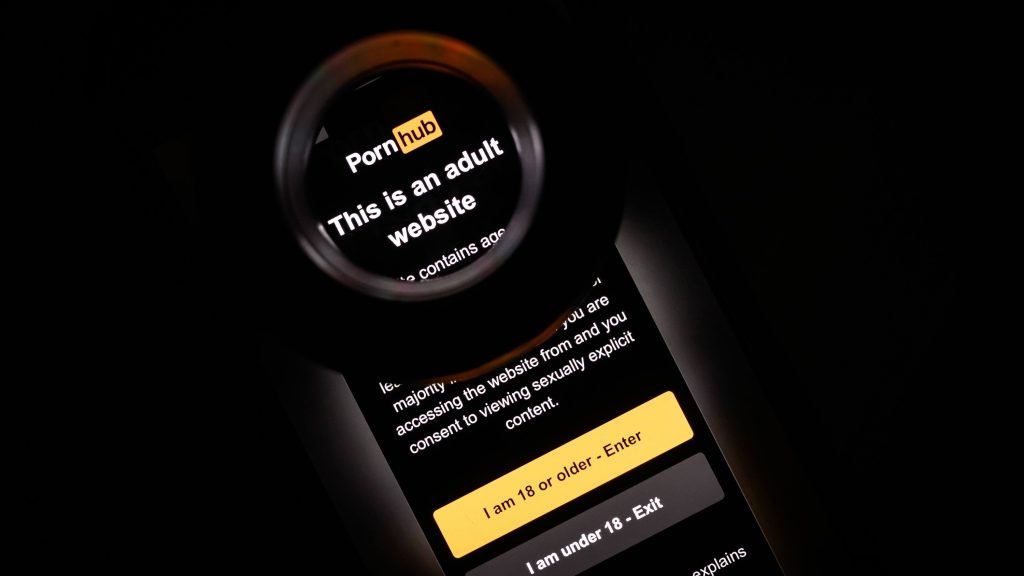
From Monday 2 February 2026, Pornhub says new UK visitors will be blocked, with access limited to people who already hold accounts. The same approach will apply to sister sites YouPorn and Redtube. That decision lands like a slammed door, and it matters far beyond one platform.
This is what happens when regulation hits the pointy end of the internet. The intention is simple: to reduce under-18 access to adult content. The delivery is complicated because it requires adults to repeatedly prove who they are across services built around discretion. You can argue the goal all day, but the friction is real, and the trust gap is widening.
Pornhub says tougher age checks have driven a steep drop in UK traffic. Ofcom says tougher checks are doing their job, keeping children away. Both positions can exist at the same time, because the internet is brilliant at two things, compliance optics and workarounds.
Age assurance collides with trust
Age assurance sounds clean in a policy document. In practice it often looks like a pop up demanding proof you are over 18, with users pushed towards ID checks, face checks, third party verification services, and data flows they do not fully understand.
Many adults are not refusing because they are awkward. They are refusing because they are cautious. Sensitive browsing creates sensitive risk. A leaked database of adult viewing habits is not a minor inconvenience, it is reputational damage, potential blackmail, and a permanent shadow on someone’s life. Even the most confident user knows that data has a habit of escaping.
That is the core flaw with the current shape of age verification. It places a huge trust burden on the user, while spreading the risk across a sprawling supply chain of providers, processors, and policies. If you want adults to comply at scale, you need a system that collects less, stores less, and exposes less. Without that, the rational move for many people is to step away.
Pornhub restricting new UK access is a loud signal that the model is reaching breaking point. A mainstream, regulated service is effectively saying, we cannot make this work in a way that satisfies everyone, so we are cutting off new users.
Workarounds arrive fast
Put a barrier in front of people, and behaviour changes instantly. That is not ideology, it is basic product physics.
One obvious result is VPN adoption. Some people already use VPNs for everyday reasons, safer browsing on public WiFi, reducing tracking, keeping logins stable while travelling, and accessing paid subscriptions when abroad. With age gates in the mix, VPNs become part of the public conversation again, and they get treated like both a tool and a threat.
The tricky truth is that VPNs do provide a workaround for location based blocks, because they can make it look like you are browsing from another country. That is exactly why you are now seeing political pressure to restrict VPN access for children. The debate is escalating because a single gate is easy to route around.
If the objective is protecting minors, the answer cannot be one gate. It has to be layered. Parental controls, device supervision, platform responsibility, search filtering, education, and meaningful enforcement against genuinely unsafe operators all need to work together. That is the only way to reduce harm without turning the UK internet into a maze of walls.
A policy that pushes large volumes of users towards random apps, sketchy services, and less regulated corners of the web is a policy that creates new problems at speed.

Device level controls help, layered controls win
There is a popular proposal that device makers should solve this at source. Apple, Google, and Microsoft can build age checks into operating systems, with controls that are consistent across apps and browsers. That idea has genuine promise, especially for younger children.
It still has limits. Devices get shared. Passwords get swapped. Settings get bypassed. Older teenagers have always been relentless at finding gaps, and they are not short of tutorials. Device level controls can reduce accidental exposure, and they can support parents, and that is valuable. They still do not close the loop on their own.
This is where the UK needs to be careful. Focusing on one technical fix invites a cycle of whack a mole. One fix appears, one workaround spreads, then legislation tightens, then trust erodes further.
Online safety becomes sustainable when the system is built around outcomes and proportionality. Reduce child exposure, reduce data collection, reduce incentives to flee to unregulated sites, reduce the number of organisations holding sensitive identity data.
Choosing a VPN that respects privacy
When restrictions rise, tools become popular. That is the moment dodgy products thrive. Free VPN apps with vague ownership, weak security, and unclear logging policies are everywhere, and they can turn a privacy decision into a security mistake.
If you use a VPN, treat it like a serious product. Look for transparent policies, strong encryption, reliable performance, and support that can actually help when something breaks. A VPN should reduce risk, not add a new one.
That is where LibertyShield VPN fits. It is built for everyday privacy, protecting your data on public networks, reducing tracking, and keeping your connection consistent when you travel. It also supports streaming devices, which matters when you are watching sport or entertainment across multiple platforms.
One important line matters here. A VPN does not remove your legal responsibilities. It does not make illegal activity safe. It does give you control over your connection and your privacy, which is increasingly valuable as more services introduce more gates.
If you want to test it, LibertyShield.com offers a 48-hour free trial. Use it on your phone, laptop, tablet, or streaming stick, and judge it on performance, stability, and ease of use.
Pornhub’s decision is a symptom, not the story
Pornhub restricting new UK access from 2 February 2026 is the sharpest example yet of a bigger tension, child protection goals running head first into adult privacy expectations.
The Online Safety Act can still deliver real benefit, but it needs to stop relying on friction as a victory metric. Fewer clicks from the UK does not automatically mean fewer minors accessing content. It can also mean more users routing around controls, and more traffic leaking into darker, less accountable corners of the web.
The fix is not more panic, it is better design. Clear standards, data minimisation, layered controls, and enforcement aimed at the worst actors, not the easiest headlines.
Because trust is the currency here, and once it goes, people do what they have always done online, they find a way around.