



A political deep dive leads the evening, alongside familiar drama, natural history and late-night entertainment. Here’s what to watch on UK TV tonight.
Dispatches: Keir Starmer – Where Did It All Go Wrong?, 8pm, Channel 4
It is not often that a government moves from dominance to difficulty quite so quickly.
At 8pm on Channel 4, Dispatches turns its attention to the current state of the Labour government under Keir Starmer. Less than two years on from a commanding election victory, the programme examines how momentum has shifted and why the party now appears to be struggling to maintain control of the narrative.
The analysis spans both internal and external pressures. Decisions such as high-profile appointments sit alongside wider geopolitical factors that have complicated the political landscape. The result is a picture of a government caught between expectation and reality.
It is a measured piece rather than a confrontational one, but the questions it raises feel unavoidable.
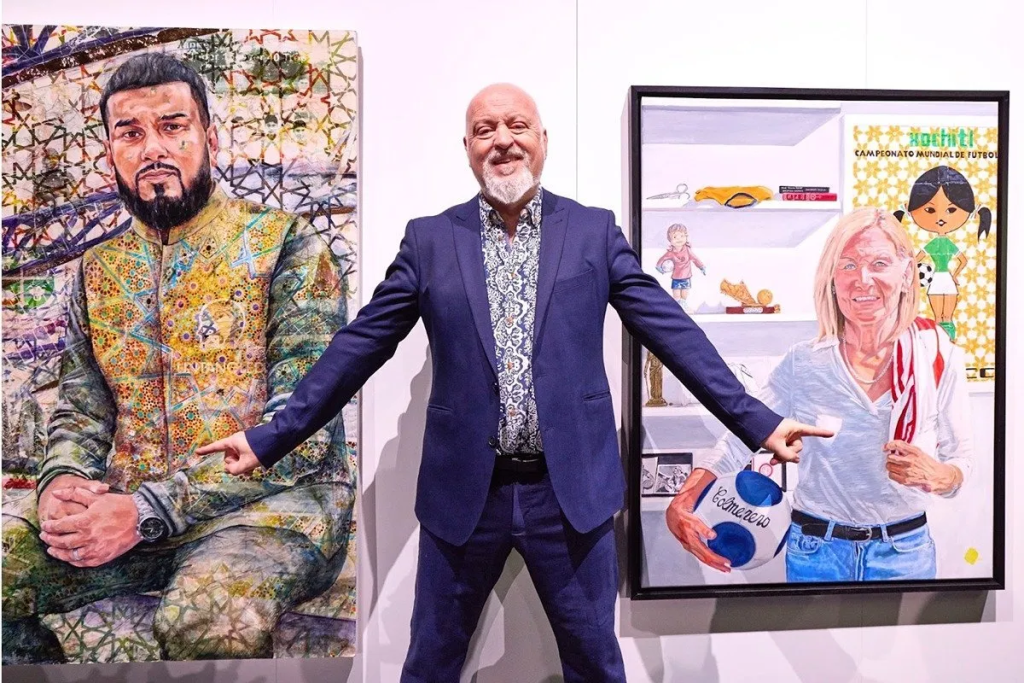
Extraordinary Portraits With Bill Bailey, 7.30pm, BBC One
Earlier in the evening at 7.30pm on BBC One, Bill Bailey returns with a programme built around quieter forms of recognition.
Each episode focuses on an individual whose actions might otherwise go unnoticed. In this opener, the subject is Darryn Frost, who helped intervene during the 2019 London Bridge attack.
The format is simple. An artist attempts to capture something of the subject’s character through portraiture. What emerges is less about likeness and more about interpretation.
There is a calmness to the series that sets it apart from more conventional factual television.
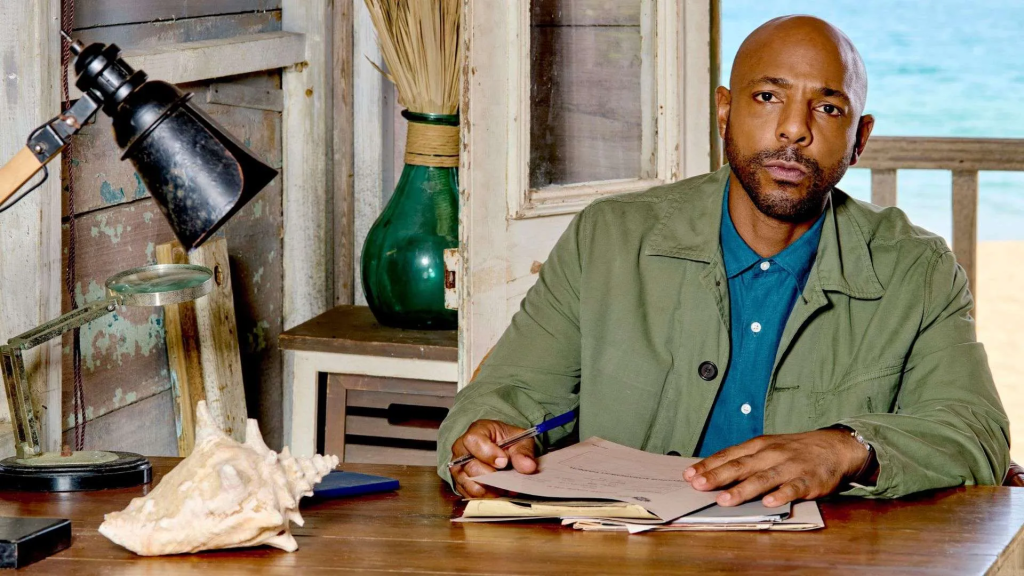
Death in Paradise, 9pm, BBC One
At 9pm on BBC One, the long-running drama reaches its series finale.
The tone remains familiar, a blend of lightness and mystery, though this episode leans further into the improbable. A death at sea leads to speculation about a mythical creature, leaving the central detective as the only voice of reason.
It is knowingly exaggerated at times, but that has always been part of its appeal.
Big Cats 24/7, 9pm, BBC Two
For something more grounded, 9pm on BBC Two offers a return to the Okavango delta.
This episode focuses on survival. Young cubs face increasingly difficult conditions, while their mothers attempt to balance risk and protection. The pacing is slower, allowing tension to build through observation rather than narration.
It is a reminder that nature documentaries are often at their most effective when they avoid overstatement.

The Claudia Winkleman Show, 10.40pm, BBC One
At 10.40pm on BBC One, the chat show continues to find its footing.
The format is still settling, though the guest list, including Jimmy Carr, Lisa Kudrow and Chase Infiniti, provides enough momentum to carry it. These early episodes often feel like an experiment in tone as much as content.
There are moments where it clicks, even if not consistently.
Mobo Awards 2026: Access All Areas, 11.25pm, BBC One
Later at 11.25pm, BBC One revisits the Mobo Awards with a behind-the-scenes perspective.
Rather than focusing on the ceremony itself, the programme explores the atmosphere around it. Performances, interviews and informal moments shape a more complete picture of the event.

Film choice: Femme, 11pm, BBC Two
At 11pm on BBC Two, Femme offers a more intense viewing option.
The film explores identity, revenge and power through a relationship that becomes increasingly complex. It is not always comfortable, but it is deliberate in its approach, allowing tension to develop gradually rather than relying on shock.
Watching UK TV while abroad
For those outside the UK, access to scheduled programming can become inconsistent.
Platforms such as BBC iPlayer and Channel 4 often limit content based on location, particularly for live broadcasts. This can disrupt viewing habits, especially for ongoing series or live events.
Services like LibertyShield are often used to maintain access to UK-based platforms while travelling. It reflects a broader shift in how audiences engage with television, where control over access is becoming part of the experience itself.

Conclusion
Friday’s schedule leans into contrast.
A political analysis sits alongside escapist drama, observational documentary and late-night entertainment. There is no single defining programme, but a range of options that reflect different moods and attention spans.