


TV tonight: revisiting the unanswered questions behind the ‘Range Rover murders’
Monday night television leans into reflection, with a mix of true crime, quiet factual programming and returning seasonal favourites. There is a noticeable shift away from spectacle, towards programmes that take their time and sit with uncertainty.
At the centre is a case that has never quite settled, despite decades of scrutiny.
Pick of the day
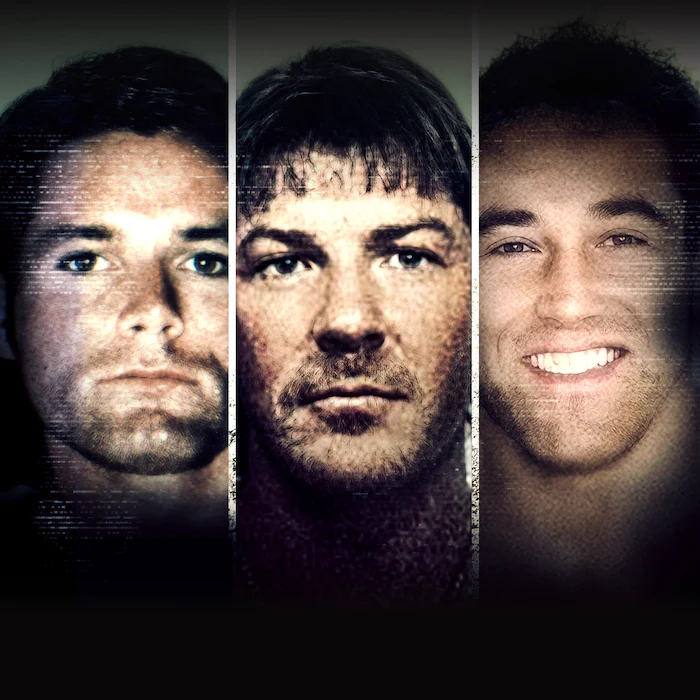
Murder of the Essex Boys: Blood and Betrayal, 10pm, Channel 4
True crime often promises answers. This does something more tentative. It revisits the 1995 हत्या of three Essex drug dealers, Pat Tate, Tony Tucker and Craig Rolfe, shot at close range in a Range Rover, and asks a simpler question, what do we actually know?
The documentary draws on accounts from former criminals and investigators, piecing together a version of events that remains incomplete. There have been convictions, and no shortage of theories, yet the case still sits in a grey area between fact and speculation.
What makes this compelling is not new evidence, but perspective. Time has altered how people speak about the case. Certainty has softened, and what remains feels more fragmented than definitive.
It is measured in tone, avoiding the more performative elements that often accompany the genre. That restraint gives the story space, and leaves the viewer to draw their own conclusions.
Springwatch
8pm, BBC Two
Springwatch returns with a new base at the National Trust’s Crom estate in Northern Ireland. Chris Packham and Michaela Strachan lead the coverage, with Iolo Williams reporting live from Knepp in West Sussex.
The appeal remains unchanged. It is patient, seasonal television, built around small discoveries rather than manufactured drama. The new setting should give the series a fresh texture, while keeping the same calm attention to wildlife that has made it such a reliable part of the BBC schedule.

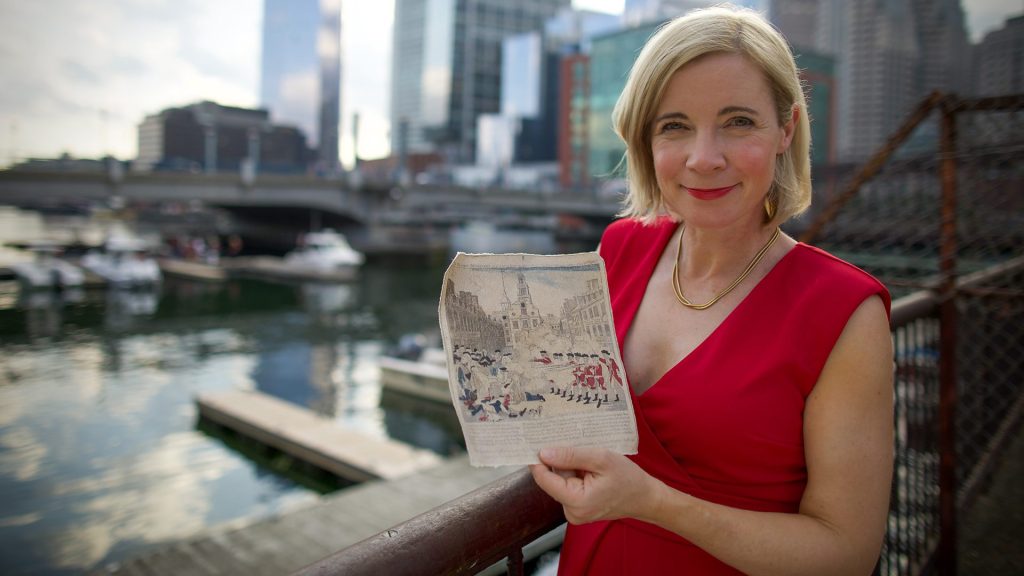
Lucy Worsley Investigates: The American Revolution
9pm, BBC Two
Lucy Worsley concludes her look at the American Revolution from the British side, focusing on the battle for New York and the wider forces that pulled Britain’s colonies away.
The most interesting thread is France’s role in backing the American cause, not simply out of idealism, but as part of a wider rivalry with Britain. Worsley keeps the pace clear and accessible, giving familiar history a useful shift in perspective.

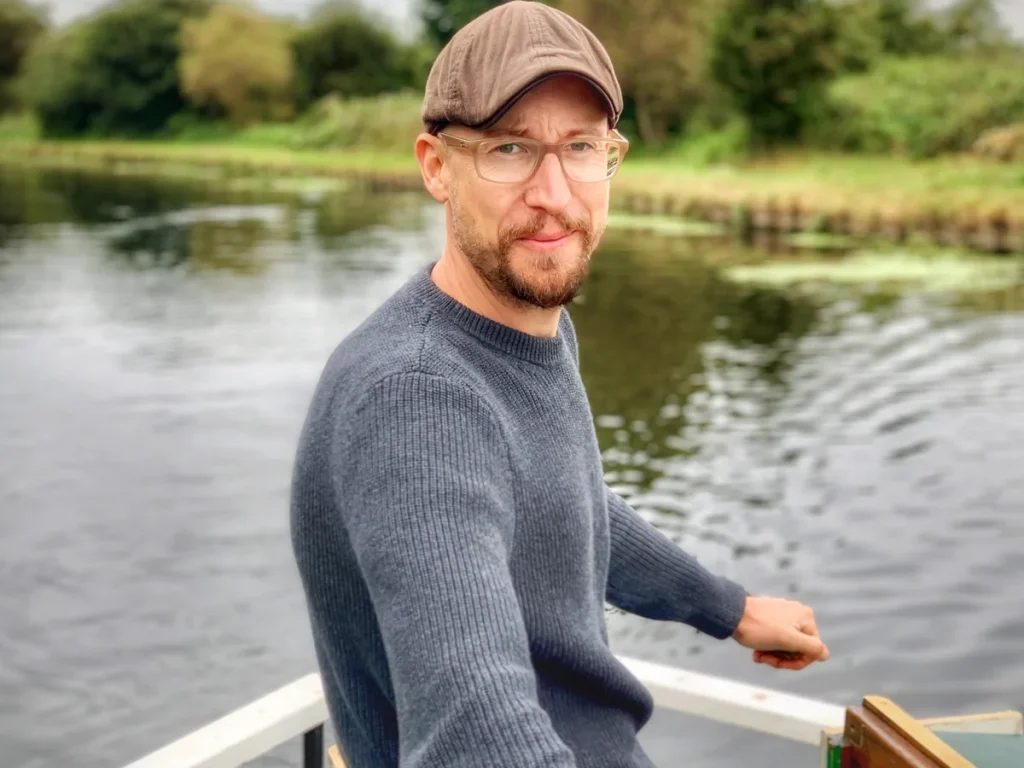
Canal Boat Diaries
7pm, U&Yesterday
Robbie Cumming’s journey continues at an unhurried pace. There are no dramatic set pieces, only incremental progress along the waterways and the occasional minor setback.
It is easy to overlook, but it offers something increasingly rare, television that is content to be small in scale.
Major Crimes Unit
9pm, Channel 5
A more conventional procedural built around a single case and a tightening investigative window. It follows a familiar rhythm, prioritising pace and clarity over character depth.

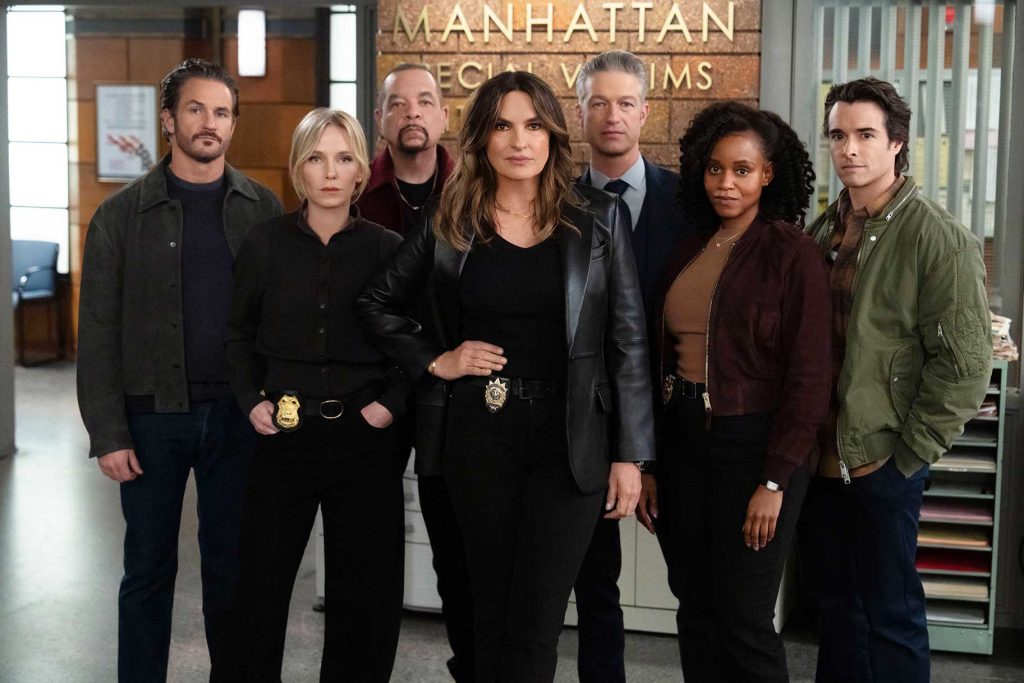
Law & Order: Special Victims Unit
9pm, Sky Witness
Law & Order: Special Victims Unit returns with a sombre opening before settling back into its established pattern. The balance between personal storylines and casework remains intact, even this far into its run.
Watching from abroad


Programmes like Springwatch and live broadcasts on BBC Two are still largely tied to UK platforms. For viewers outside the country, access can vary, sometimes subtly, sometimes completely.
This becomes more noticeable with live or time-sensitive content. A documentary can wait, but scheduled programming tends not to.
A consistent UK connection helps maintain access to services such as BBC iPlayer and Channel 4. Many viewers rely on services like Liberty Shield for that continuity, particularly when travelling or living abroad.
The expectation is straightforward. You open an app and it works as it would at home.
Final thoughts
Monday’s schedule is not built around a single standout moment. Instead, it offers a series of programmes that reward attention in different ways.
Murder of the Essex Boys is the most striking, precisely because it resists easy answers. It accepts that some stories remain unresolved, and that revisiting them is less about closure and more about understanding how narratives are formed.
That restraint carries through the rest of the evening. It is a quieter kind of television, but a considered one.